Midtown Population Growth
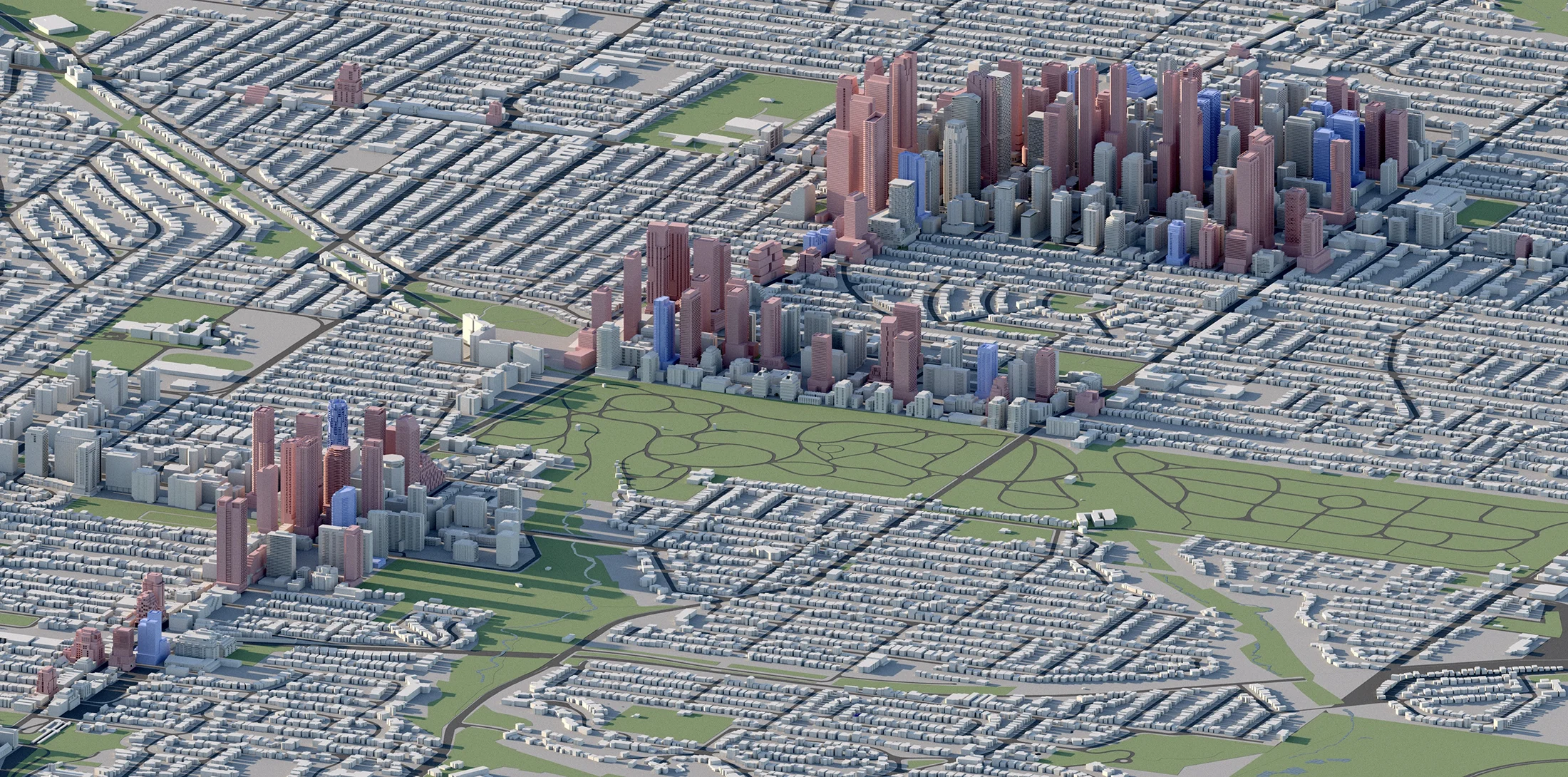
The population of the neighbourhood’s adjacent to the Vale are experiencing an unprecedented development acceleration. Between Davenport and Davisville, the rapidly expanding Yonge Street corridor is expected over the next two decades to grow by 15 to 20 thousand additional residents, with almost as many expected in the Davisville area north of Merton over to Mt Pleasant Road and other connected growing population centers linked to the Vale by the city’s Belt Line trail.
The scale of anticipated development in the immediate area —with multiple 30- to 50-storey towers already approved or being applied for— will put growing pressure on the natural environment of the Vale of Avoca ravine. The young adults likely to populate many of the new investor-owned units in these developments will have an acute need for recreational resources and access to green space. The anticipated population growth highlights the need for sustained and substantial investment to restore and protect the ravine.
Trails and access
The trail layout is very poor with respect to through-routes connecting the north and south ends of the ravine (linking the Mt. Pleasant Cemetery to the city trail down Park Drive Reservation to the Brickworks). Access to the adjacent population areas and transit connections are limited by closed stairways and deficient wayfinding. Due to the single crossing-point of Yellow Creek, the opportunities to follow loop trails of varying distances are virtually non-existent. Access points, walking routes, and trail infrastructure are severely impacted by erosion and are poorly maintained. At some locations in the ravine, trail erosion has become a material hazard to trail walkers. There is a complete absence of amenities, such as rest area benches, observation points, or wayfinding.
Erosion
The combined result of climate change and urban intensification has seen an increase in the frequency and intensity of extreme weather events, resulting in accelerating erosion of ravine slopes. Serious erosion problems have become manifest in collapsed stream walls, actual and potential collapses of ravine slopes, and falling trees undercut by the surge of water during frequent storms. Trails have been undercut and have, in some areas, collapsed. While some urgent repairs have been effected, the state of the ravine continues to deteriorate. Extreme weather events are outstripping City investments.
Invasives
The Vale of Avoca is over-run with invasive species. In the absence of concerted remediation efforts, invasives will continue to further degrade the ravine’s biodiversity. The most predominant invasives are Norway maples (on the ravine slopes) and Japanese knotweed (on the stream banks), along with colonies of phragmites that will continue to spread. Other invasives, such as common buckthorn, dog-strangling vine, and garlic mustard, are distributed throughout the ravine.
Overall, the condition of the Vale of Avoca ravine represents a shortfall relative to the City’s stated goals of its own Ravine Strategy and a lost opportunity to create a thriving ravine immediately adjacent to a fast-growing population. This condition is in spite of the fact that the Vale of Avoca was identified as one of ten priority investment areas in the Strategy’s implementation.