In late 2025 the City’s Urban Forestry Division issued an updated framework for the management of designated Environmentally Significant Areas, or ESAs. The ESA designation has been a feature of the City’s planning approach for decades. With the 2017 publication of Toronto’s Ravine Strategy, additional measures were introduced to safeguard these areas, which are closely aligned with ravine systems across the City. Many of Toronto’s ravines have sections that are ESAs. As reported in 2022, 87% of Toronto’s ESAs are located in ravine lands.
Protection of Toronto’s ravines is given effect through the ESA designation, and through the Ravine and Natural Feature Protection By-law. ESAs represent the most ecologically important parts of the total area covered by the ravine bylaw, and the criteria for ESA designation include: the presence of rare plants and/or animals, unique landforms, high ecological diversity, and the provision of important ecological functions.
As of 2025, there were 89 ESAs listed in the City of Toronto Official Plan. These areas are generally off-limits for development, and permitted activities are limited to ones that are compatible with their preservation, such as passive recreation.
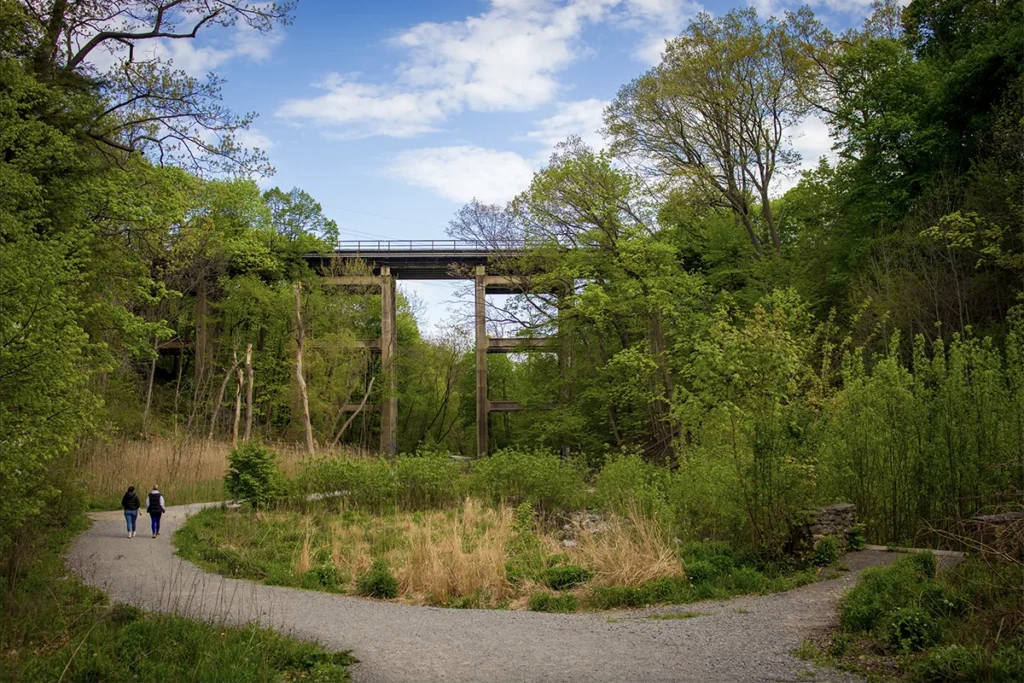
Effective protection of ESAs demands active and sustained efforts. Left alone, ESAs will undergo continuing degradation from extreme weather, nearby developmental pressures, human activities, and the spread of invasive species. In many cases, these areas require extensive remediation to reverse or neutralize the effect of cumulative stresses over many years. Appropriately, development and implementation of management plans for ESAs was the first of twenty commitments for action in the original Ravine Strategy.
The City has now released the framework for ESA management plans, along with the first two ESA-specific plan reports. Over time, plan reports will be issued for other ESAs; in the meantime, the general framework will guide the management efforts applied across the full list of ESAs. The following are some of the elements included in the new planning framework:
- Increased emphasis on the need to coordinate ESA activities with other City plans and projects (affirming another key commitment of the original ravine strategy);
- Core principles that integrate ESA restoration with stakeholder/community collaboration and indigenous engagement;
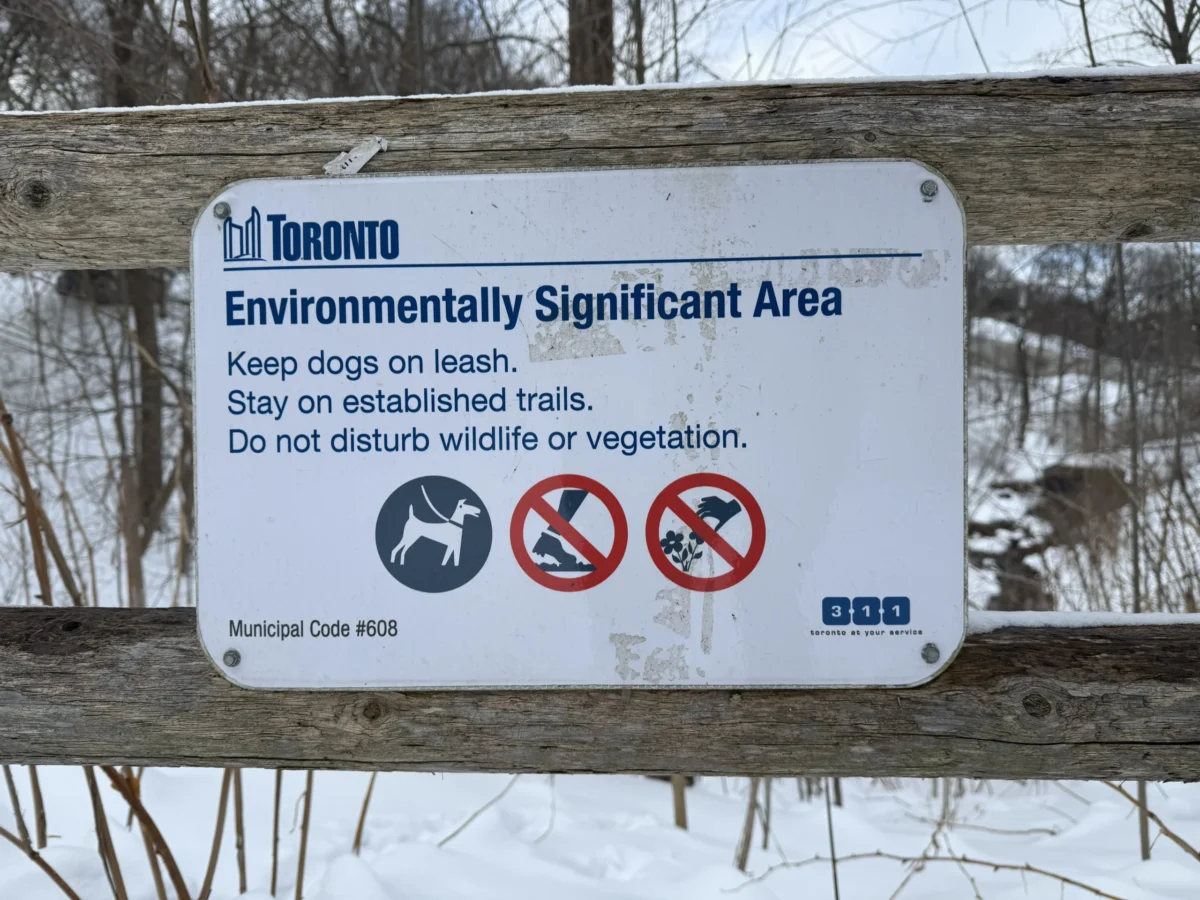
- Added clarity on which activities and uses are compatible with the ESA designation, and which are not;
- A step-by-step guide to plan development that includes a critical role for community engagement, and detailed specification of ESA-specific values and pressures; and,
- The application of varying management measures to three different zonal categories within ESAs: ecological preservation, conservation, or passive recreation.
The Midtown Ravines Group views the new ESA planning framework as important progress on a critical component of the original Ravine Strategy commitments. The framework itself and the eventual publication of site-specific plans contribute to the transparency and progress with efforts on ravine protection and remediation. We particularly welcome the role of public engagement in the plan development process.
As a Master Plan takes shape for the Vale of Avoca, it will be important to anticipate the key elements of an ESA management plan that will support long-term restoration of the ravine’s ecology. We also hope there will be opportunities to engage local community members in meaningful stewardship activities to ensure every effort is made to control the footprint of invasives in the ravine and promote biodiversity.
The City of Toronto website has additional information on Toronto ESAs.